
Terroir
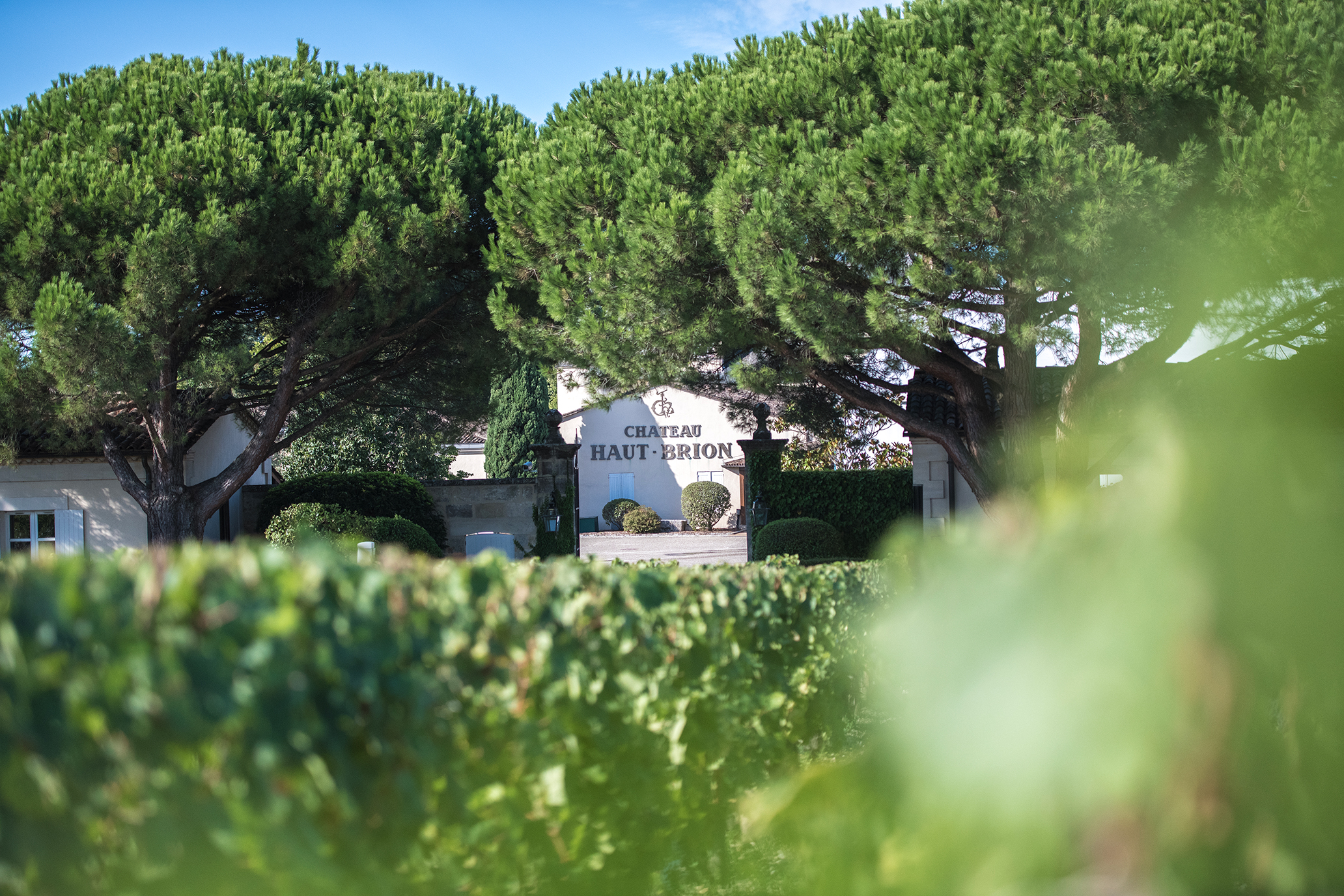
Château Haut-Brion’s vineyard is located in the commune of Pessac, just a few miles southwest of Bordeaux’s city center. It belongs to the Pessac-Léognan appellation, to the north of the Graves wine-growing region. Château Haut-Brion is the only wine to be both First Growth from the 1855 classification and Classified Growth of the Graves.
The birth of a legend
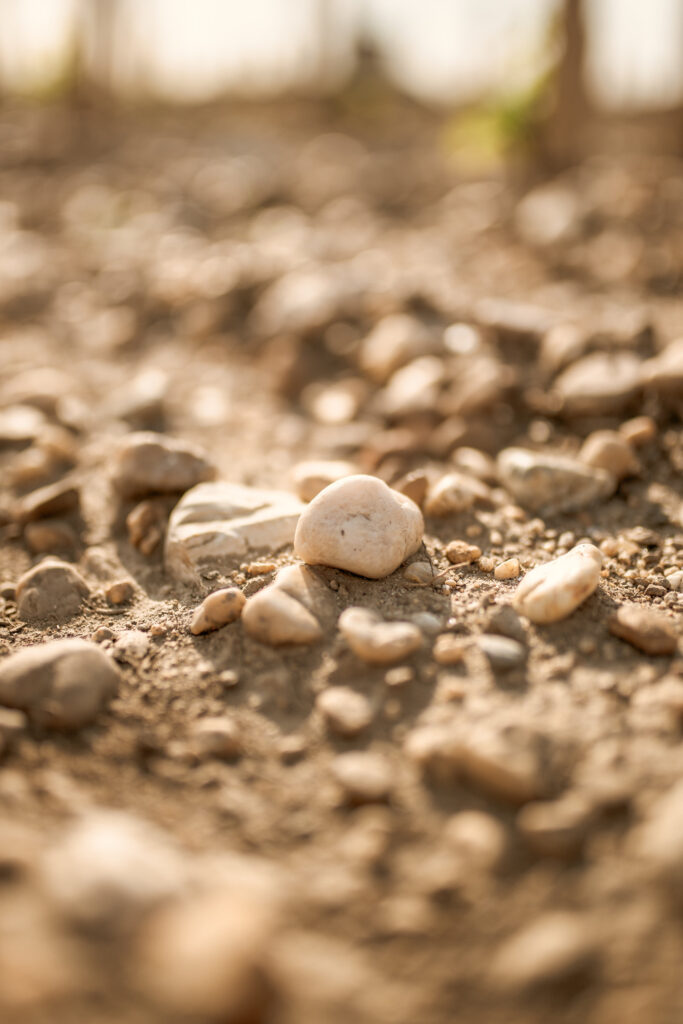
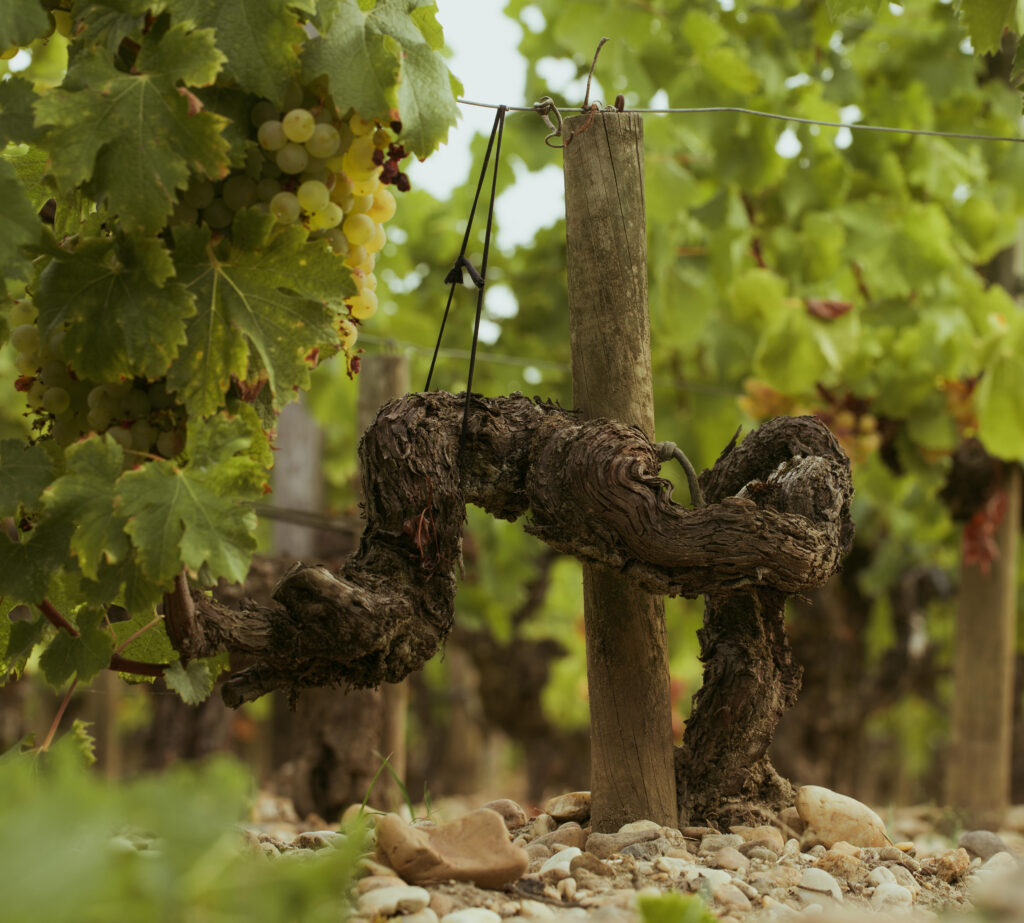
It was upon a terrace overlooked by two small hills and flanked by two streams that approximately 2,000 years ago, Romans came and discovered the virtues of these tiny quartz pebbles called “graves” (gravel). During Gallo-Roman times, the concept of terroir was already beginning to emerge. It was subsequently validated, in Burdigala (Bordeaux), by the identification of this very terrace with the toponym of “Haut-Brion”, used both in medieval manuscripts and on ancient maps. The legend was born and with it the very new notion of a premiere microclimate and soil that had the potential of producing wines of unparalleled quality.
Over the millennia, many came to examine and admire
this terroir. Among them were such luminaries as John
Locke and Thomas Jefferson. Their conundrum: How
could a soil so poor produce such magnificent wines?
Haut-Brion’s unique gravel terroir
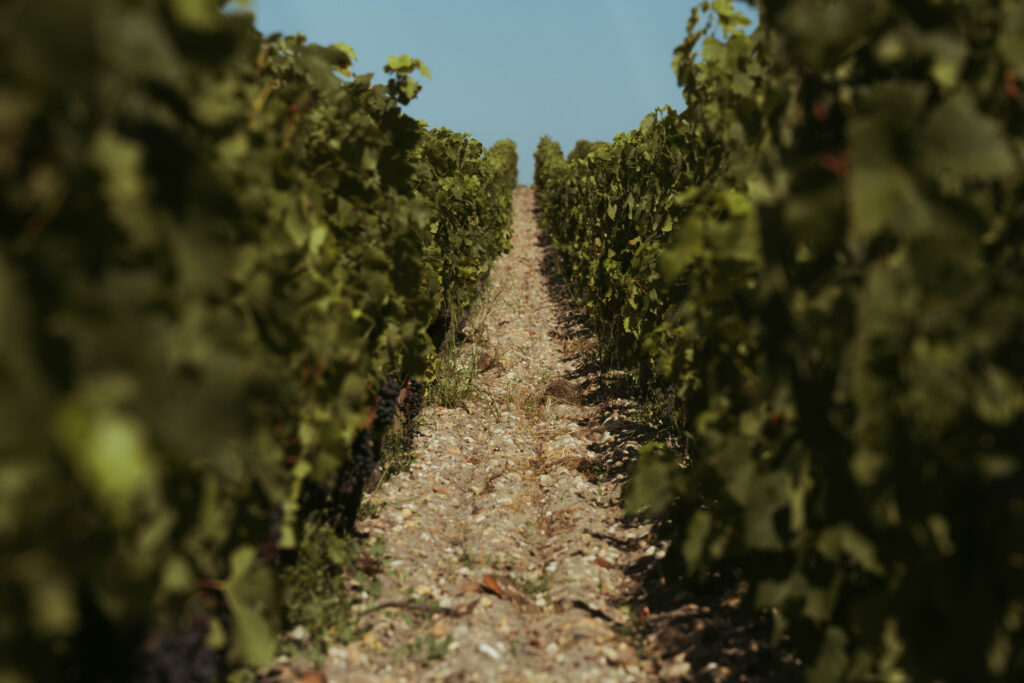
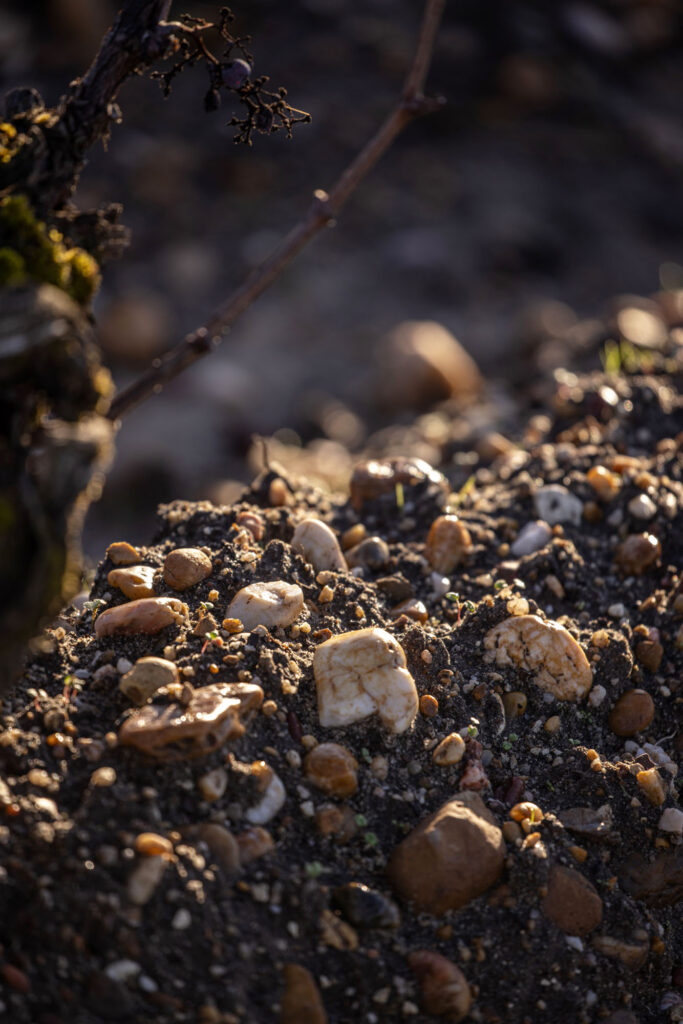
The property stands facing Château La Mission Haut-Brion and shares with it the same gravelly terrace, ideal for cultivating vines already named Haut-Brion on ancient maps and deeds. The nature of the gravel at Château Haut-Brion, consisting of small stones of various types of quartz, is a key element contributing to the particularly valuable wine-growing potential of the soil. This gravel that contributes to the winegrowing value of Château Haut-Brion’s soil, is comprised of small pebbles, made up of various types of quartz. The gravelly soils lie upon a unique subsoil of clay, sand, limestone and shelly sand formed at the end of the Tertiary era, then during the Quaternary era, throughout the ice age. With a thickness varying from 20 centimetres to more than 3 metres, the deposits of gravel form mounds benefiting from an excellent orientation, with slopes ensuring natural drainage, further increased by a large hydrographic network of small watercourses, such as the Peugue or the Serpent, tributaries of the Garonne.
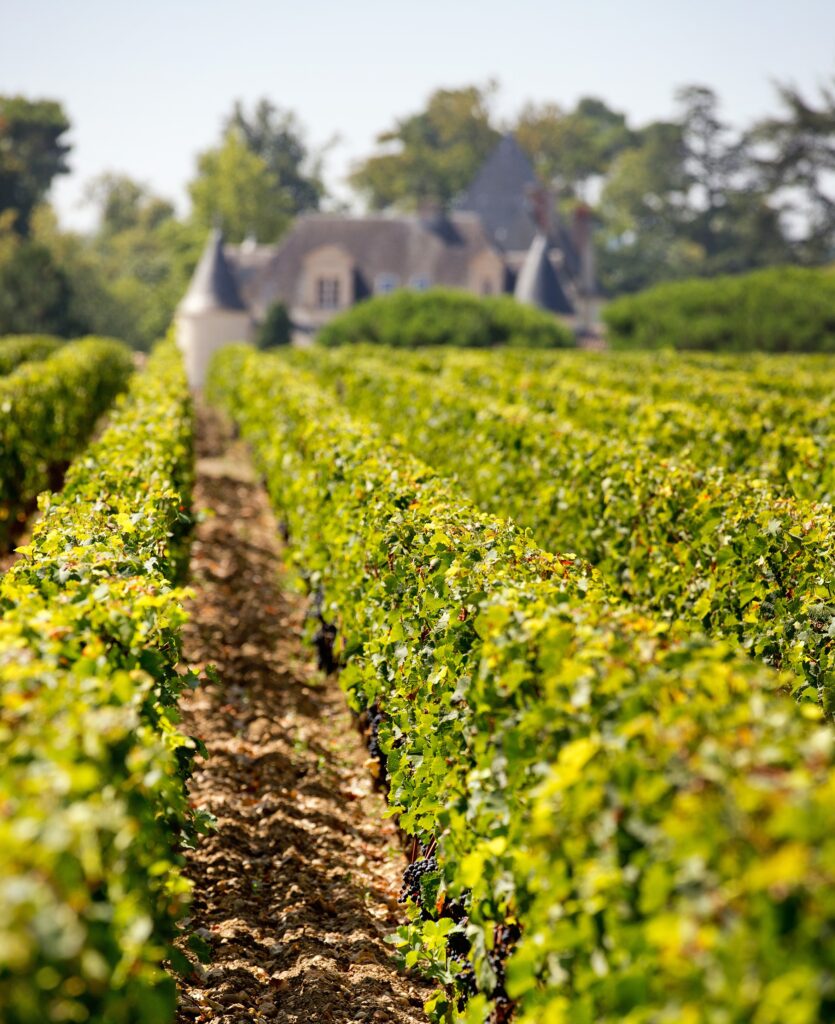
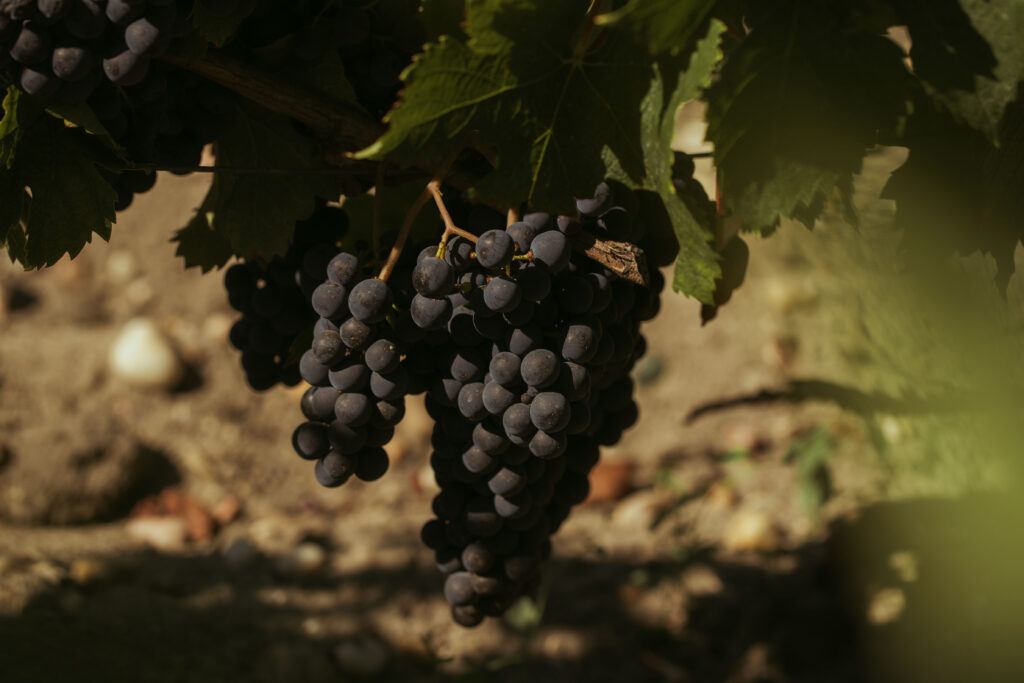
The vineyard stretches across an area of 51 hectares,
48 of which are planted with red grapes varieties (Merlot, Cabernet Sauvignon,
Cabernet Franc and Petit Verdot) and about 3 hectares are devoted
to white grape varieties (Semillon, Sauvignon Blanc and Sauvignon Gris).
A haven of biodiversity
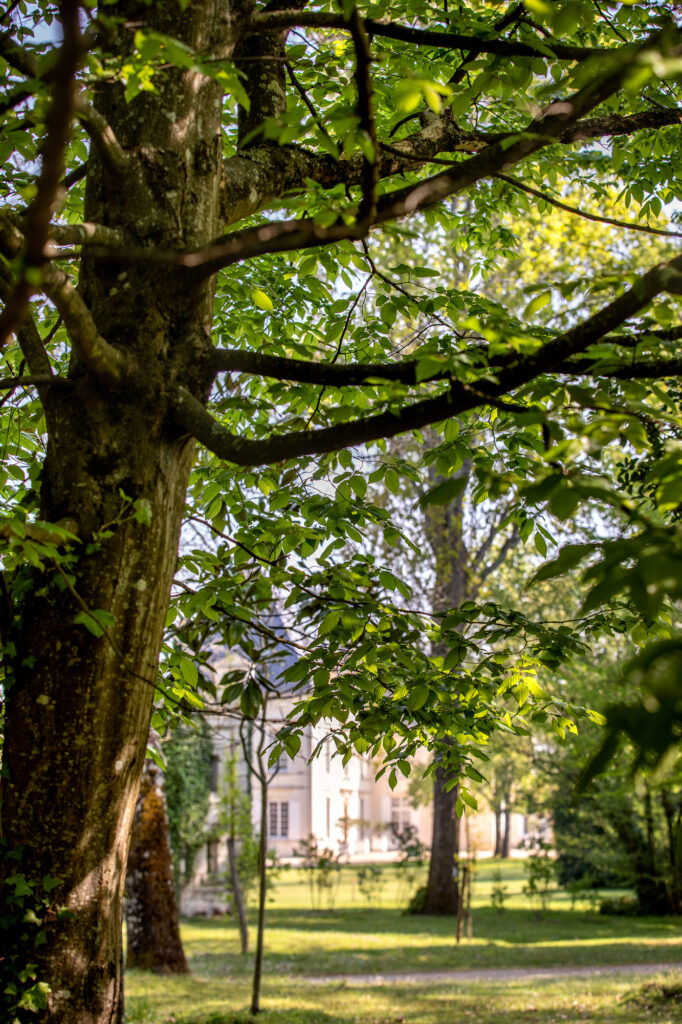
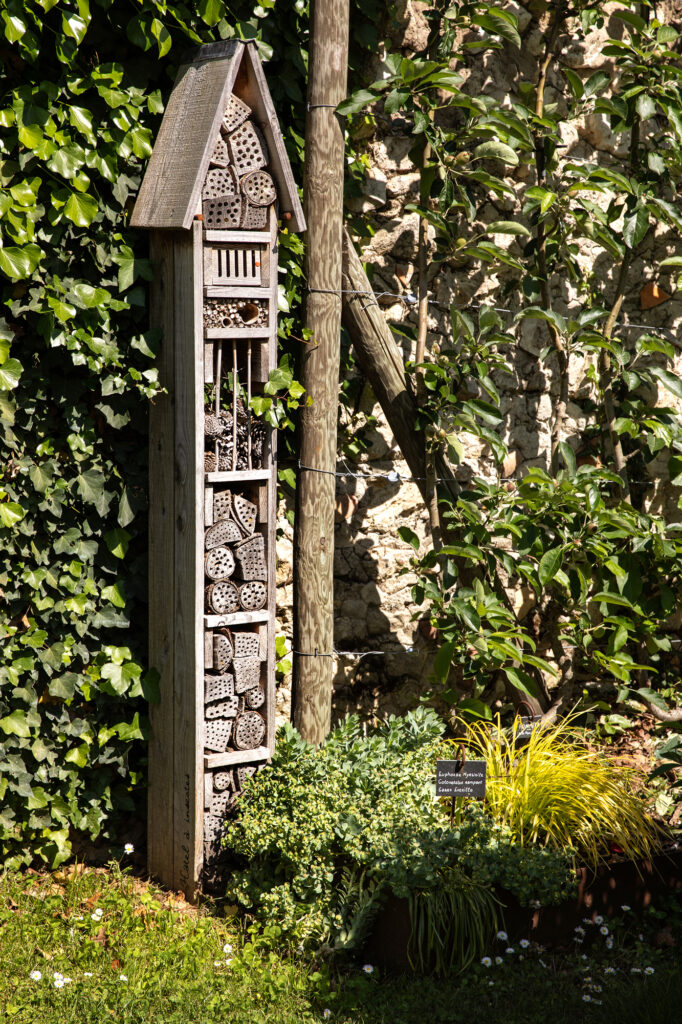
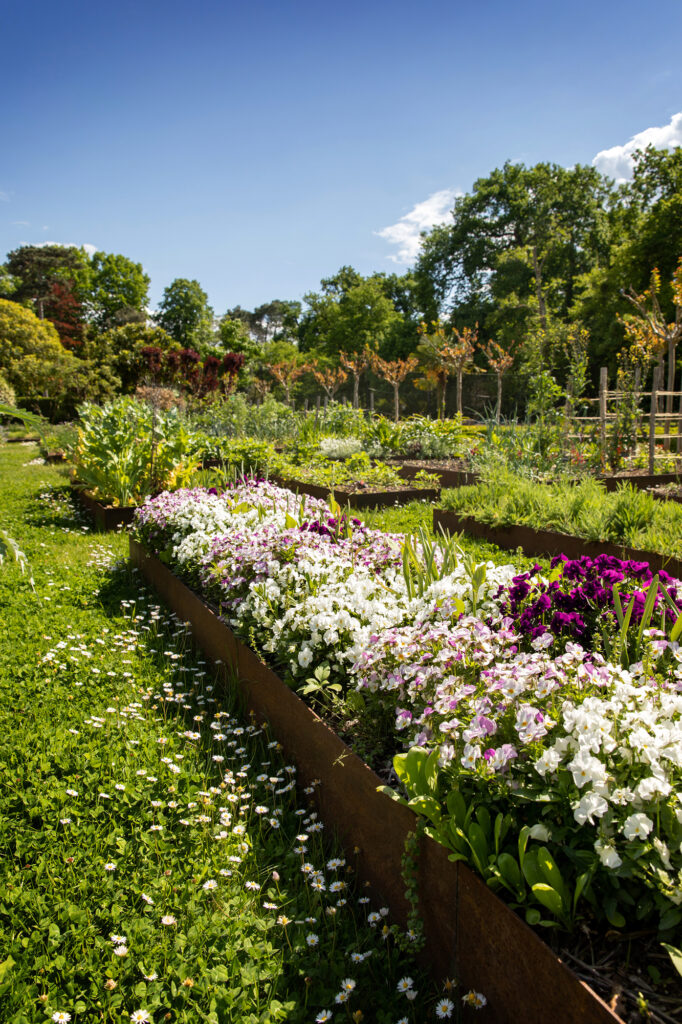
The protection of the environment is an ancient practice rooted in the preservation of the terroir, which has been passed down from generation to generation. This involves showing careful consideration for the soils and their characteristics, limiting the number of interventions and using no insecticides. Château Haut-Brion’s grounds have a wooded area of 4 hectares, including a park of 3.5 hectares that is home to a great variety of birds, some of which are protected species, such as the European Serin. Every year, an inventory of the various wildlife groups is done. The recent inventory counted more than 40 species and the vast majority of these nest within the grounds. Among these, 14 heritage species and 28 protected species were counted. Also inventoried were almost 265 taxons of insects and invertebrates, some of which are at conservation status, such as the Great Capricorn beetle, the Stag beetle kite, as well as wild bees like the Andrenideae, andrenid bees, commonly known as mining bees. This diversity is further increased by the large surface area of the park and the variety of habitats it provides with wooded areas maintained covered, partially covered, floral spaces, bramble hedgerows. The gentle, sustainable management of the wooded areas at the property is also crucial as our grounds and vineyards are part of the ecological corridors and biodiversity reservoirs of Bordeaux’s urban area. So, some green, or biological, waste is left on site to shelter insects and small mammals or reptiles, while scything is done as late in the year as possible.
Soil preservation
At Château Haut-Brion, soil protection is at the core of our viticultural methods. We encourage deep rooting for the vine and maintain spontaneous plant cover as long as possible during the winter to reduce soil erosion. Mechanical interventions are restricted in their depth and frequency. Soil enricher is given annually by adding compost and this is done according to needs: each plot receives only what is strictly necessary. The compost used is produced at the property, from pruned vine shoots and after a composting cycle of eight months.
In 2024, conductivity measures were carried out all over the vineyard to hone our understanding of the soils and to improve our soil map.